

 Blog Overview
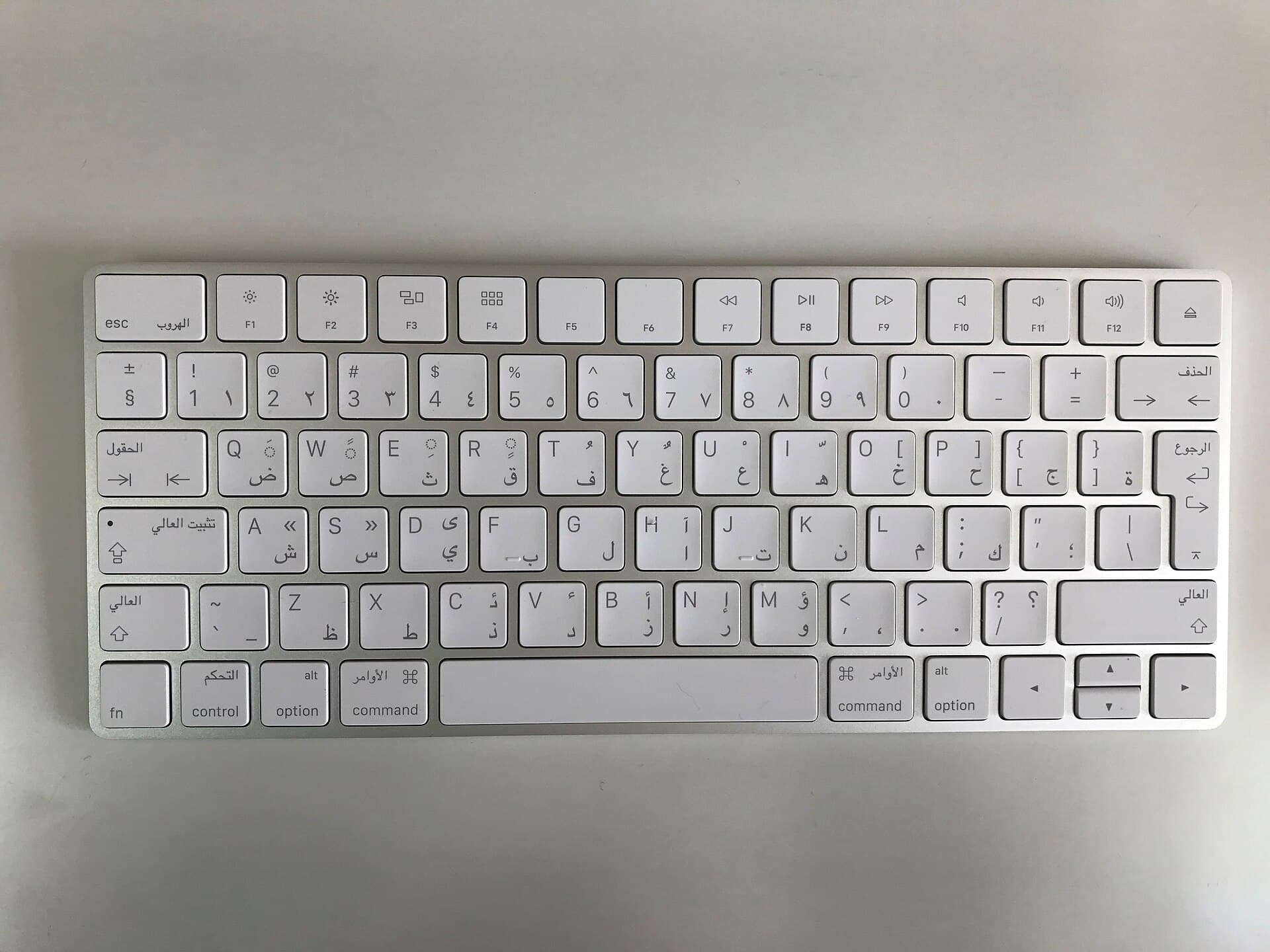
Translation carries words, not intent. This article explains how to research in Arabic, write original content, connect the two versions, and measure the result without promising rankings.
The most expensive Arabic SEO mistake happens before any code is written: taking a successful English page, translating it, and expecting it to rank in Arabic. Translation carries words, not intent. An Arabic searcher may type a different question, use a different term, expect a shorter or a more detailed answer, and compare against a local provider that never appeared on the English page.
Arabic SEO is not a translated copy of English SEO. It is content written in Arabic about a question asked in Arabic, supported by a technical structure that knows both languages. This article gives you the checklist we use before translation: how to research, how to write, how to connect the two versions, and how to measure. It does not promise rankings or traffic, because nobody owns that promise.
Research in Arabic before you write
Research the question as it is asked, not as you translate it. Use Search Console to see the Arabic queries that already reach your site, and open the top results for those queries. Read the Arabic titles and look at the page type: article, service page, question and answer, or guide. Then read customer comments and support messages; they hold the vocabulary people use, not the vocabulary the company prefers.
Modern Standard Arabic is the base for formal content, but search may arrive with a dialect term or a phonetic spelling of a product name. Do not write one page per dialect. Write one clear page in Modern Standard Arabic, and cover the alternative terms in subheadings, FAQ and body copy so both the reader and the engine understand it. Keyword stuffing does not replace an answer.
The five layers that decide the result
| Layer | The question it answers | What breaks it |
|---|---|---|
| Intent | Does the searcher want to buy, understand, or compare? | A service page ranking for an informational question |
| Content | Does it answer the question fully in Arabic? | A literal translation with no local examples |
| Structure | Do title, description and internal links lead to the answer? | English titles and machine-translated descriptions |
| Technical | Is the page fast and usable on mobile in both directions? | A heavy Arabic font and broken RTL |
| Measurement | Do you know which query brought which visit and which customer? | One dashboard that mixes both languages |
URLs and the two versions
Choose a clear path per language: /ar/ and /en/, or a subdomain per language. What matters is one URL per page, reciprocal hreflang pointing each version to the other, and a correct canonical. Do not rely on automatic redirection by country or browser language; it breaks crawling and creates pages the engine never sees. Make the language switcher a crawlable link, not a JavaScript-only button.
Do not translate URLs word for word. Choose a short Arabic slug that describes the page, or keep a clear English slug. What matters is stability, and redirecting any old URL to the new one. If your current site uses encoded Arabic URLs, test how they appear in search results and how they are shared. A URL that is hard to copy loses backlinks.
Write in Arabic, do not translate into it
A good Arabic page reads as if it was written in Arabic first. Its sentences are shorter, its examples come from the market it serves, and client and project names appear as the client says them. The main heading says what you do, the description says for whom and why, and the FAQ answers the objections you hear on calls. If you read it aloud and it does not sound like natural speech, it is a translation.
Machine translation can be a draft, never the final version. It needs a reviewer who knows the field, corrects terminology, deletes sentences that mean nothing in Arabic, and rewrites headings. More importantly: do not publish an Arabic version weaker than the English one. If you do not have enough Arabic content, write a shorter, better page instead of a long translated one.
From reading to shipping
Want this built, not just explained?
Bring us the problem behind the article. We will tell you what it takes, what it costs, and whether we are the right team.
The technical layer that never appears in the copy
The Arabic font is part of performance. Large fonts without smart loading delay rendering and increase the chance the user sees a blank page. Use a suitable family such as Noto Kufi Arabic or IBM Plex Sans Arabic, load only the weights you need, and test on a real phone. Direction is not just alignment; Material 3 explains that RTL reverses order and alignment, and components must be designed for both directions rather than flipped afterwards.
Speed affects conversion, not only ranking. Deloitte's study for Google found that a 0.1 second improvement in mobile speed was associated with 8.4% higher retail conversions and 9.2% higher average order value. That does not mean every site will gain the same percentage, but it means font, image and script work is a commercial decision. The RTL mistakes that break Arabic interfaces details what we test before publishing.
The checklist before translation
Use this list before sending any page to a translator. If a line has no answer, the problem is not linguistic yet.
The question: which Arabic query does the page answer, and what intent sits behind it?
Evidence: do you have Search Console data, calls or support tickets proving the question is asked?
Terminology: are you using the market's term or an internal word nobody searches for?
Writer: is an Arabic writer who knows the field writing it, or a translator moving sentences?
Reviewer: who corrects terminology, names and figures before publishing?
Structure: are the title, description and subheadings in natural Arabic?
Linking: do the two versions point to each other with correct hreflang and canonical?
Testing: have you tried the page on a real phone in Arabic, including forms and tables?
Measurement: do you know how you will judge success after 90 days?
How to measure without fooling yourself
Separate Arabic from English in reporting. Use a property or filter per language, and compare impressions, clicks and conversion rate, not visits alone. Watch the queries a page appears for, and look at pages that receive impressions without clicks. Success is not “the ranking went up”; success is a qualified person reaching the page, finding what they need, and taking the next step.
Do not forget internal links. A new Arabic page needs links from other Arabic pages, not only from the English version. Build one content map for both languages so you know which page answers which question and which page supports it. If every Arabic page is a copy of an English one, the two compete for the same intent instead of covering two markets.
Frequently asked questions
Should every page be translated? No. Start with pages that answer real buying questions, and leave pages nobody searches for in Arabic. One strong Arabic page beats ten translated ones.
Is Modern Standard Arabic enough, or do I need a dialect? Modern Standard Arabic is the base for formal content, and dialect appears in search. Write in Modern Standard Arabic, and cover common terms in questions and subheadings.
Is hreflang enough to connect the versions? It is the main signal, but it does not replace different content and internal links. Each version needs independent value.
Is machine translation forbidden? It is not forbidden, but it is a draft that needs human review. Publishing it as-is hurts quality and trust.
How long until results appear? There is no promise. Good content needs time, indexing and links. Watch the trend after 90 days, not after a week.
Do you help with content or only technical SEO? We work on both: site structure, hreflang, performance and the content map. Writing itself happens with your team or a specialist writer.
Sources
- Material 3: Bidirectionality and RTL — RTL reverses order and alignment, and components are designed for both directions.
- web.dev: Web Vitals — LCP, INP and CLS thresholds at the 75th percentile.
- web.dev: Milliseconds make millions — 0.1 seconds and 8.4% higher retail conversions.
- Web platform development — structure, performance and both directions.
- Rasad's published price bands — the figures this article works from.
Cover image: Mervat Salman, CC BY-SA 4.0, via Wikimedia Commons.
